
Tiny Seeds, Lifelong Protection: How Super Seeds Strengthen the Heart and Modern Health


There was a time when meals were slow, seasonal, and rooted in tradition. Today, food often arrives faster than our bodies can process it. Long hours of sitting, irregular eating habits, chronic stress, and ultra-processed foods have silently reshaped human health. The consequences are visible across the globe rising cases of heart disease, diabetes, hypertension, obesity, and other non-communicable diseases (NCDs), even among younger populations.
As healthcare systems struggle to keep up, one truth is becoming increasingly clear: prevention begins on the plate. This realization has revived interest in functional foods that do more than just fill us up. Among these, edible seeds have emerged as quiet yet powerful allies in modern nutrition.

FUNCTIONAL FOODS: WHERE NUTRITION BECOMES PROTECTION
Functional foods contain bioactive compounds that actively support physiological functions and reduce disease risk. Fiber, oligosaccharides, essential fatty acids, phytochemicals, antioxidants, and lignans work together to control inflammation, oxidative stress, lipid imbalance, and insulin resistance, the core mechanisms behind most chronic diseases.
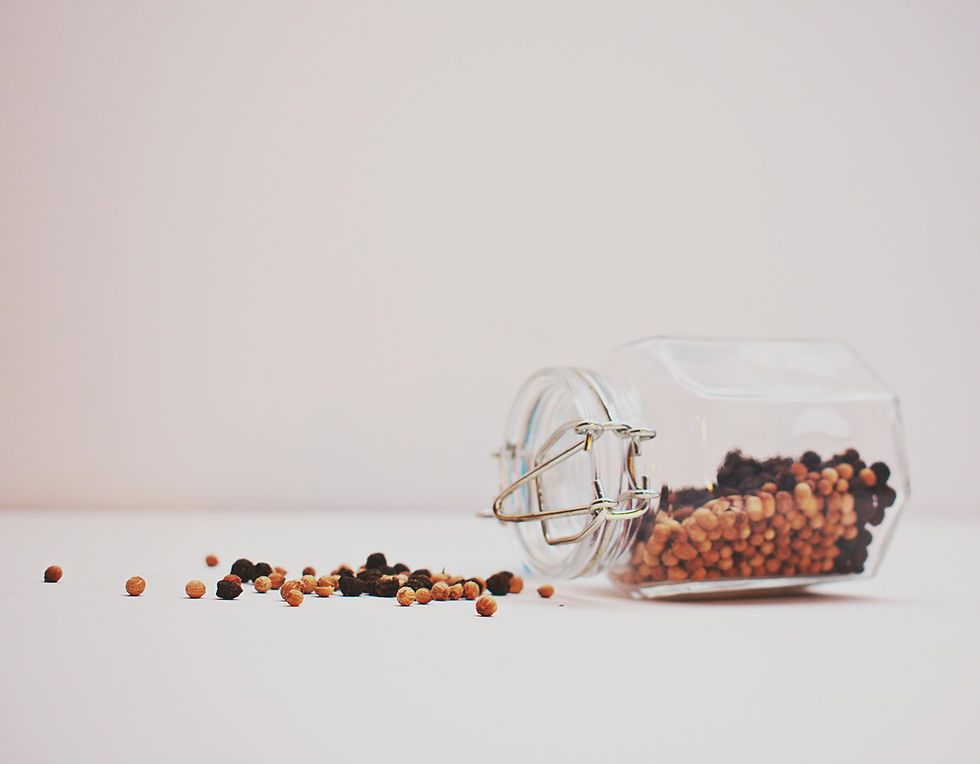
Edible seeds are among the most concentrated sources of these compounds. Though small in size, they are nutritionally dense, biologically active, and remarkably versatile.
WHY SEEDS MATTER MORE THAN EVER FOR HEART HEALTH
Heart health is the foundation of overall well-being, yet it is constantly challenged by modern lifestyles. Elevated cholesterol, unstable blood sugar, chronic inflammation, oxidative damage, and high blood pressure gradually strain the cardiovascular system.
Seeds such as chia seeds, flaxseeds, pumpkin seeds, sunflower seeds, and sesame seeds address these risks holistically. Rich in omega-3 fatty acids, dietary fiber, antioxidants, minerals like magnesium and zinc, and plant-based bioactives, these seeds support healthy arteries, lipid balance, blood pressure regulation, and metabolic stability.
And the best part? They don’t demand drastic dietary changes, just mindful inclusion.
CHIA SEEDS: SMALL SEEDS WITH BIG ANTI-INFLAMMATORY POWER
Chia seeds are tiny nutritional powerhouses packed with omega-3 fatty acids, fibre, protein, calcium, vitamins, minerals, and phytonutrients. Their antioxidant compounds, phenolic acids, isoflavones, anthocyanins, polyphenols, and peptides, help suppress inflammatory pathways such as NF-κB activation. This reduces chronic inflammation, oxidative stress, and even carcinogenic risk.
They also support gut health, improve satiety, stabilize blood sugar, and contribute to long-lasting energy, making them ideal for modern, fast-paced lives.

Do’s:
Soak chia seeds for at least 30 minutes in water or milk before consuming to improve digestion
Add them to smoothies, yogurt, oats, puddings, or beverages
Consume 1–2 tablespoons per day
Don’ts:
Do not consume dry chia seeds directly; they may swell and cause choking
Avoid excessive intake, as too much fibre may cause bloating
People with swallowing difficulties or severe digestive issues should consult a doctor

FLAXSEEDS: THE OMEGA-3 AND LIGNAN CHAMPION
Flaxseeds (Linum usitatissimum L.) are one of the richest plant sources of alpha-linolenic acid (ALA), a heart-protective omega-3 fatty acid. These fats help reduce systemic inflammation and lower cardiovascular disease risk.
Flaxseeds are also rich in dietary lignans, phytoestrogens known to inhibit inflammatory markers linked to heart disease and certain cancers. The presence of soluble fiber and phytic acid helps regulate blood glucose and reduce LDL cholesterol. Research even links ground flaxseed intake to improved lipid profiles.

Do’s:
Always consume flaxseeds in ground or powdered form for better absorption
Add to smoothies, cereals, curd, or chapati dough
Limit intake to 1–2 tablespoons daily
Don’ts:
Avoid consuming whole flaxseeds; they pass undigested
Excess intake may interfere with mineral absorption
Individuals on blood thinners or with hormone-sensitive conditions should consult a healthcare provider

SESAME SEEDS: ANCIENT WISDOM, MODERN SCIENCE
Sesame seeds (Sesamum indicum L.) have long been valued in traditional Indian and Middle Eastern diets. Modern research confirms their cardioprotective, antidiabetic, and antihypertensive effects.
They contain powerful phenolic phytochemicals, phytosterols, and lignans such as sesamin, sesamolin, and sesamol. These compounds reduce oxidative stress, improve lipid profiles, lower blood pressure, and protect vascular health.

Do’s:
Consume roasted sesame seeds or tahini for better flavour and digestibility
Use in stir-fries, chutneys, salads, or traditional dishes
Limit to about 1 tablespoon per day
Don’ts:
Excess consumption may lower blood pressure excessively
Avoid if you have known seed allergies
People with low blood pressure should consume cautiously

PUMPKIN SEEDS: SUPPORTING THE HEART THROUGH METABOLIC BALANCE
Pumpkin seeds (Cucurbita maxima) are rich in magnesium, zinc, protein, fiber, manganese, and phosphorus nutrients essential for heart rhythm, blood pressure control, and energy metabolism.
They contain insulin-mediating compounds such as D-chiro-inositol, trigonelline, and nicotinic acid, which help regulate blood sugar levels. Their phytoestrogen content supports cardiovascular protection by balancing plasma lipids, while zinc contributes to prostate and immune health.

Do’s:
Choose raw or lightly roasted, unsalted pumpkin seeds
Consume as a snack or sprinkle over salads and soups
Limit intake to 2 tablespoons per day
Don’ts:
Avoid salted or heavily roasted varieties if you have hypertension
Excess intake may cause digestive discomfort
Those with seed allergies should avoid consumption

SUNFLOWER SEEDS: VITAMIN E FOR VASCULAR PROTECTION
Sunflower seeds are rich in monounsaturated and polyunsaturated fats, fiber, protein, and vitamin E, a potent antioxidant that protects blood vessels from oxidative damage. They also contain phytochemicals like choline, lignans, phenolic acids, and betaine, which support heart and brain health.
Do’s:
Choose unsalted, dry-roasted sunflower seeds
Use as a topping for salads, oats, or yogurt
Consume in small portions due to high calorie density
Don’ts:
Avoid salted and flavoured varieties
Overconsumption may contribute to excess calorie intake
Not suitable for individuals with nut or seed allergies

MAKING SUPER SEEDS PART OF EVERYDAY LIFE
One of the greatest strengths of super seeds is their versatility. They blend effortlessly into breakfast cereals, smoothies, shakes, salads, soups, baked goods, and traditional meals.
They can be soaked, roasted, ground, or eaten raw without altering taste significantly.
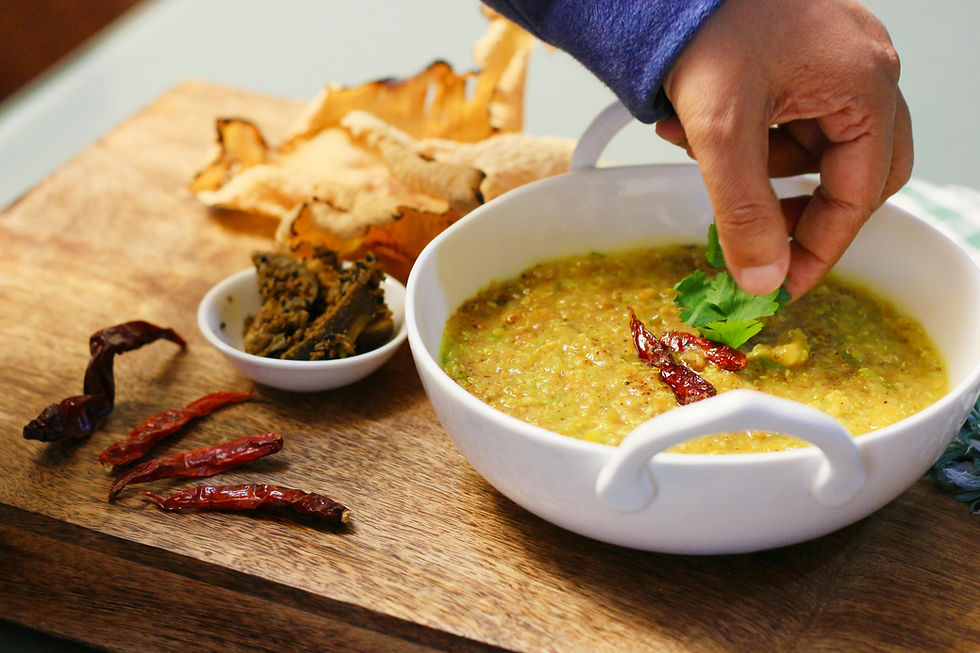
From sprinkling seeds over dal to blending them into milk or baking them into cookies, seeds offer a simple way to enhance nutrition without compromising comfort or flavour.

A PRACTICAL, AFFORDABLE STRATEGY AGAINST CHRONIC DISEASE
Although NCDs are multifactorial and require comprehensive management, incorporating super seeds as a phytotherapeutic approach is both practical and economical. Their affordability, accessibility, and cultural acceptance make them suitable for both urban and rural populations.
Improving awareness and daily inclusion of these seeds can significantly strengthen preventive nutrition strategies worldwide.

SMALL CHOICES, LIFELONG IMPACT
Health transformations don’t always begin with dramatic changes. Sometimes, they start with one spoon, one meal, one habit. Super seeds remind us that nature’s most powerful solutions are often the smallest.

Add them wisely. Consume them mindfully. And let these tiny seeds quietly protect your heart, balance your metabolism, and support long-term well-being.
Tiny seeds. Powerful protection. Let them work for you every day.
REFERENCES
https://www.sciencedaily.com/releases/2015/03/150312173532.htm
Divya Jain, et al. “Phytotherapeutic Potential of Super Seeds: An Overview." Acta Scientific Nutritional Health 7.4 (2023): 46-58. https://scispace.com/pdf/phytotherapeutic-potential-of-super-seeds-an-overview-2an75oxg.pdf


Comments