
Desk-Job Metabolism. Why Sitting Kills Your Calorie Burn
- Dt Renjini Radhakrishnan

- Dec 15, 2025
- 6 min read
There was a time when movement was not a choice. It was life itself.
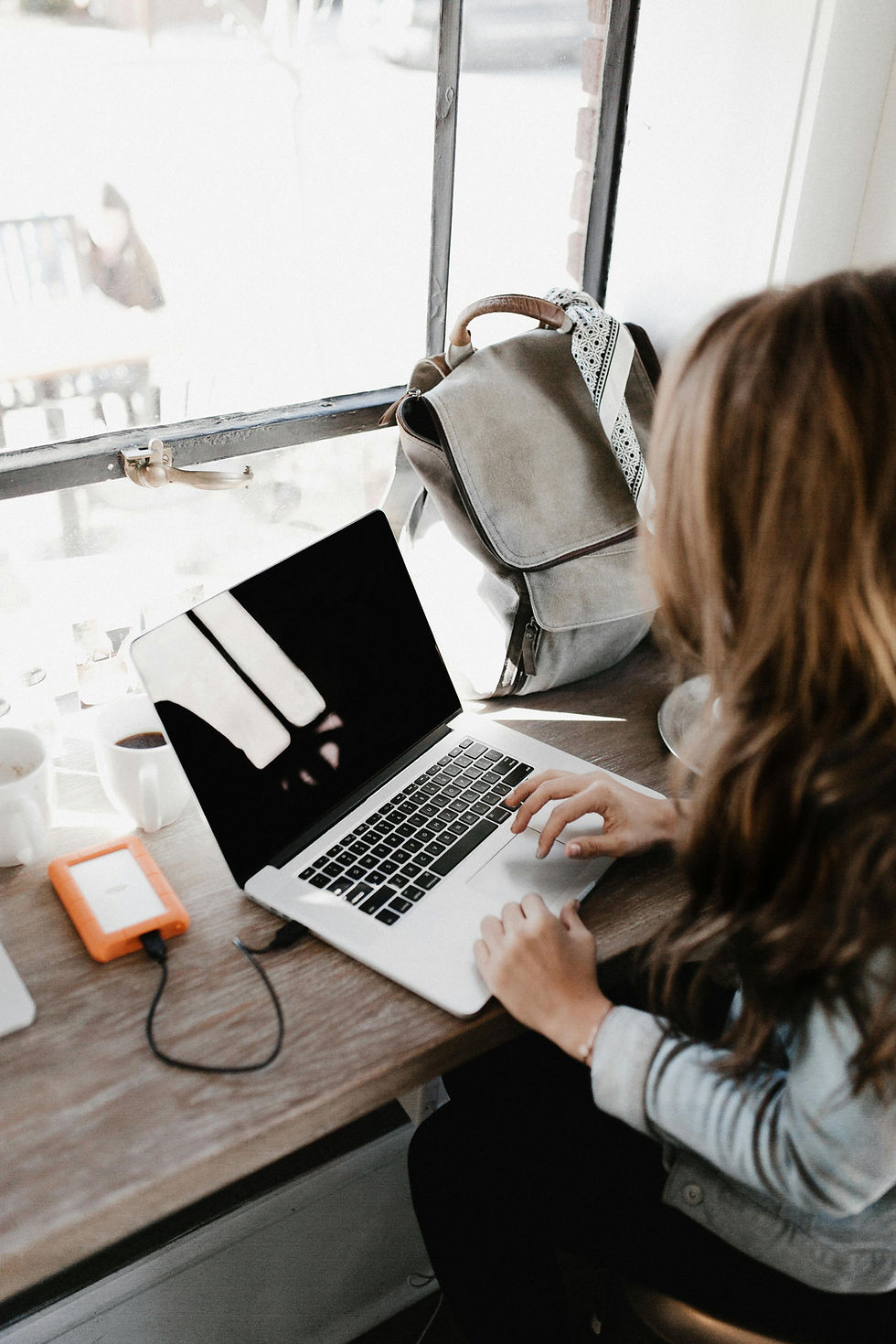
Long before chairs, offices, elevators, and screens entered our world, humans survived by moving. Walking long distances, hunting, gathering, building shelter, and protecting the family all required motion in a single day. The human body evolved over hundreds of thousands of years to stand upright, walk on two legs, and think while moving. Movement was not “exercise.” It was survival.
Today, that story has changed quietly, gradually, and almost unnoticed.
FROM SURVIVAL TO STILLNESS

Imagine early human life. Food did not arrive in plastic packets. Tools were not bought; they were made by hand. Travel happened on foot. Shelter required physical effort. Even rest was earned after a long, active day.
Before the Industrial Revolution, nearly 90% of people lived in agricultural communities. They worked outdoors, used their bodies constantly, and, yes, they did sit. But sitting was rest, not the main event. Research suggests people sit for about five hours a day and move for the rest.

Then came factories. Then offices. Then, machines are designed not to support the body but to restrict movement for “efficiency.”
By the mid-20th century, sitting became synonymous with productivity. Standing looked unproductive. Walking looked like wasted time. Furniture, buildings, transport systems, everything was redesigned to keep us still.
Fast forward to today, and many adults sit for 12 to 15 hours a day. Desk to car. Car to chair. Chair to sofa. Sofa to bed.
This is not how the human body was designed to live.
WHAT SITTING DOES TO THE BODY SLOWLY, SILENTLY

The body expects movement. Muscles are meant to contract. Joints are meant to move. Blood is meant to circulate with the help of muscle action.
When sitting becomes the default posture, these systems begin to fail.
Muscles weaken. Posture collapses. Back and neck pain become common companions. Digestion slows. Blood sugar regulation becomes inefficient. Fat begins to accumulate—not because of overeating alone, but because the body is no longer using energy the way it was designed to.
But the real danger lies deeper, at a level we cannot see.
WHY SMALL MOVEMENTS MATTER MORE THAN WORKOUTS

Inside the body, even tiny movements send powerful signals.
Scientists call this NEAT, Non-Exercise Activity Thermogenesis. It includes all the calories burned through everyday movement: standing, walking around the house, cooking, cleaning, shifting posture, and climbing stairs.
In one study, healthy people were overfed 1,000 extra calories per day for two months. Some gained a lot of fat. Others barely gained any. The difference wasn’t gym workouts. It was NEAT.

Those who naturally moved more stood more, walked more, and fidgeted more and burned up to 700 extra calories per day without trying. Those who stayed seated gained the most fat.
Overeating plus sitting leads to fat gain.
Overeating plus movement offers protection.
THE BLOOD SUGAR EXPERIMENT THAT CHANGED EVERYTHING

In a simple but powerful experiment, researchers asked a group of healthy adults to eat the same meals on different days. Nothing about the food changed. Calories, composition, and timing were all kept identical. The only difference was what happened after the meal.
On one day, participants did what most of us do: they sat down and stayed seated. On another day, instead of resting in a chair, they went for a slow, easy walk for just fifteen minutes. No sweating. No heavy breathing. No “exercise” in the traditional sense, just gentle movement.
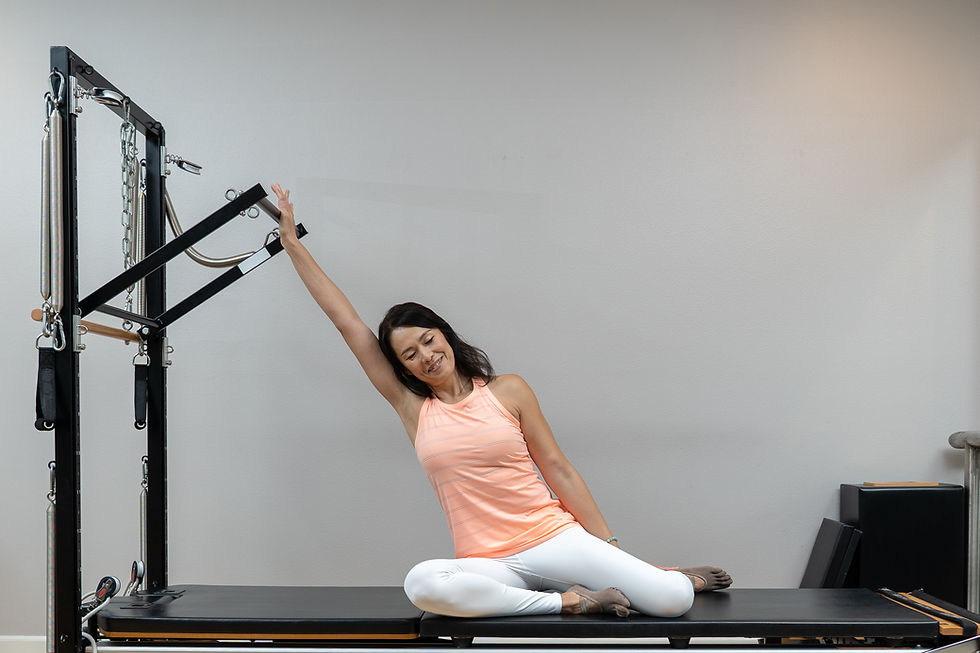
What happened next surprised everyone. The short walk reduced blood sugar spikes by nearly half.
This single observation revealed something profound. It wasn’t intense workouts or gym routines that made the difference. It was the movement itself. When the body stayed still after eating, blood sugar rose sharply and lingered longer in the bloodstream. But when the body moved even briefly, muscles began using glucose immediately, easing the load on insulin and stabilizing blood sugar levels.

This helps explain why prolonged sitting is so closely linked to type 2 diabetes and even gestational diabetes. Sitting tells the body to power down. Muscles become inactive, insulin becomes less effective, and glucose builds up in the blood. Movement sends the opposite signal. It switches metabolism back on.
SITTING DOESN’T JUST AFFECT WEIGHT, IT AFFECTS EVERYTHING
Prolonged sedentariness is linked to more than 30 chronic diseases, including:
Heart disease and high blood pressure
Osteoporosis and fragile bones
Back, neck, and joint pain
Depression and low mood
Cognitive decline and mental fatigue
Certain cancers, including breast and prostate
Even sexual health problems in men
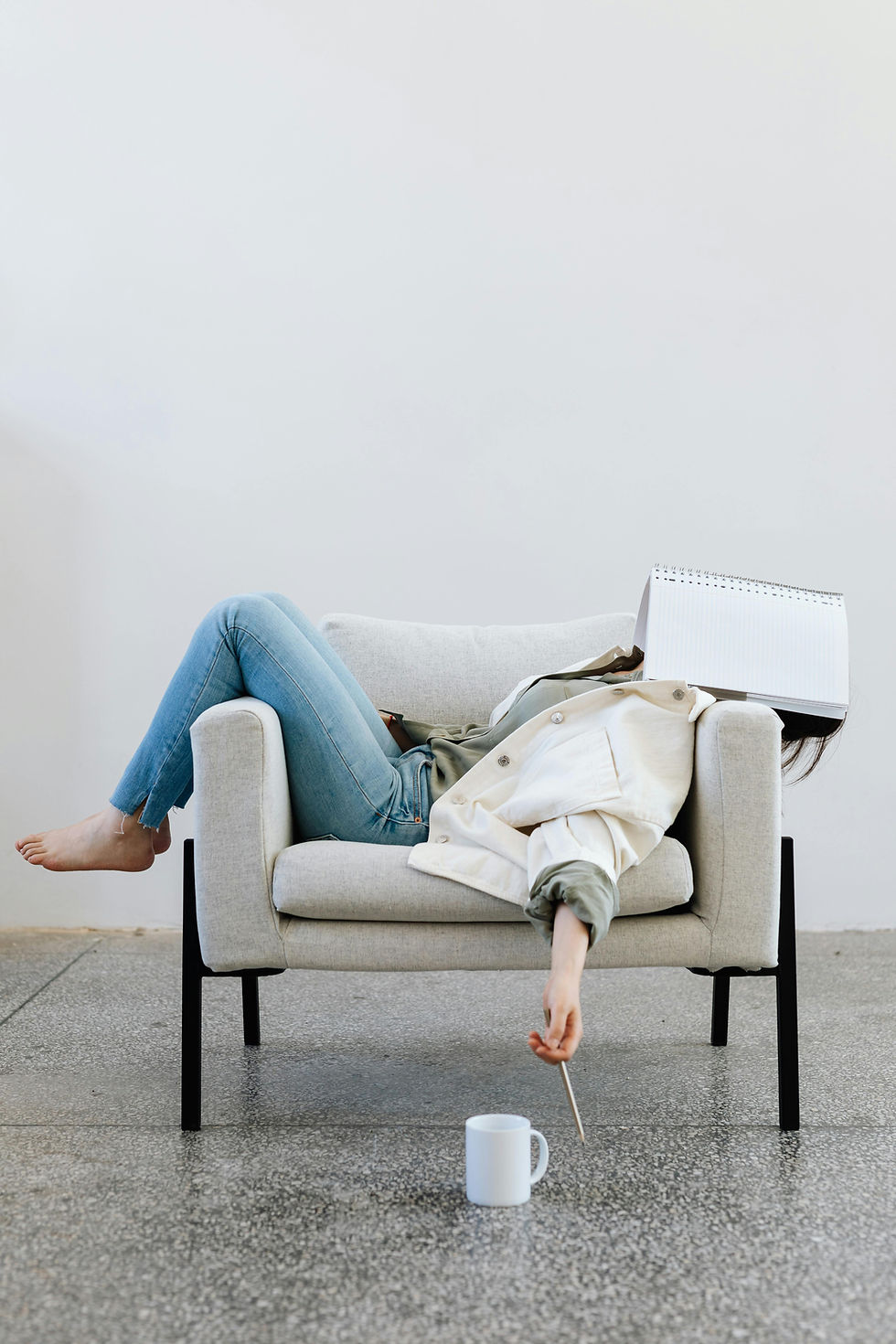
Physical inactivity also makes it harder to recover from addictions and increases healthcare costs on a massive scale. Sedentary diseases now affect the majority of adults and consume most healthcare spending.
This is not a niche problem. It is a population-level crisis.
THE BRAIN BEHIND THE CHAIR
Here’s the part many people don’t realize: sitting is not just a habit; it’s regulated by the brain.

The same brain centers that control hunger also influence how much we move. When food is abundant, the brain often increases movement. When food is scarce, movement drops to conserve energy. This happens in humans, animals, and even fish.
But modern environments confuse this system.
Screens, chairs, stress, and convenience slowly train the brain to prefer stillness. Over time, the brain becomes “chair-locked.” Movement feels unnatural. Sitting feels normal.

The good news? The brain is adaptable
This ability, called neuroplasticity, means sitters can become movers again. Habits can be rewired. Signals can be restored. Especially when environments support movement.
WHY STANDING ALONE ISN’T THE SOLUTION
Standing burns slightly more energy than sitting, but not enough to fix the problem on its own. What truly matters is movement.

Walking while working. Take breaks every 30 minutes. Talking on the phone while standing. Walking meetings. Choosing stairs. Moving gently but often.
Even leisurely movement changes metabolism, improves mood, strengthens muscles, and sharpens the brain.
THE WORKPLACE PROBLEM AND THE OPPORTUNITY
Modern workplaces didn’t create obesity alone, but they quietly support it.
Long hours at desks, high stress, irregular meals, caffeine dependence, and easy access to processed foods. This combination creates the perfect environment for weight gain and metabolic disease.
But workplaces also hold the solution.
Standing desks, walking meetings, movement breaks, wellness programs, healthier food environments, and mental health support don’t just reduce obesity risk—they improve productivity, focus, job satisfaction, and absenteeism.
Healthy employees are not a luxury. They are an investment.
THIS IS NOT A PERSONAL FAILURE
Perhaps the most important truth of all is this: excessive sitting is not a personal failure. It is not laziness, a lack of discipline, or weak willpower. It is a condition created by the modern world.

Our cities are built for cars, not walking.
Our jobs reward stillness.
Our schools train children to sit for hours.
Even our social norms politely ask us to “take a seat.”
Day by day, without noticing, movement is designed into daily life.

That is why solving the problem of excessive sitting cannot rest on motivation alone. No amount of willpower can fight an environment that constantly pulls us into chairs. Real change requires something deeper: a redesign of how we live, work, learn, and move.
Policymakers must shape environments that invite activity.
Educators must build movement into learning.
Employers must rethink how productivity looks.
Health professionals must treat sitting as a health risk, not a neutral habit. Urban planners must create cities meant for human bodies, not just vehicles.
And individuals, too, have power not through guilt, but through awareness and small daily choices.
Excessive sitting is a shared problem. Its solution must be shared as well.
THE SIMPLE TRUTH
The human body was built to move, not to be parked.

Every hour spent standing, walking, or simply shifting position is a message to your cells that life is still in motion. You don’t need a gym membership to fight sitting sickness; you need permission to move again.
Stand up. Take a step. Break the chair’s hold.
Health doesn’t begin with perfection; it begins with movement.
Homo sedentarius, arise.
REFERENCES
https://www.mayoclinic.org/healthy-lifestyle/adult-health/expert-answers/sitting/faq-20058005
Dr. Rajmadhangi (2025 april ). Obesity and the workplace: How desk jobs affect health
Levine JA. Sick of sitting. Diabetologia. 2015 Aug;58(8):1751-8. doi: 10.1007/s00125-015-3624-6. Epub 2015 May 24. PMID: 26003325; PMCID: PMC4519030.


Comments